At the conclusion of our study abroad journey, it is only natural to reflect and reminisce on all that we have learned about 20th century Architecture and Psychoanalysis while pursuing an academic adventure of a lifetime through two of the most suitable cities to study such topics: Vienna and London. Although Architecture and Psychoanalysis are two vastly different subjects, there are certain aspects of each field we have studied that allow me to draw conclusions from my observations in a way that ties the two together. In particular, there was a continuous theme of each city trying to erase or conceal their historical sense of madness. But what really is madness, and how can certain historical aspects be considered “mad”? Like many other things, madness can be interpreted differently in the eye of the beholder, and in the case of these two separate cities, madness certainly encompasses separate meanings. It is also important to recognize that the differing historical backgrounds of both Vienna and London have an impact on how each city responds to their legacy with the subject. In other words, there are some similarities and differences between how each city uses methods to attempt to erase or conceal their involvement with madness or insanity.
The first destination we encountered on our journey was Vienna, a city that truly valued its history. I made this observation after departing from the city; not only did the city do an outstanding job of preserving its feats of architecture, but it was also careful to preserve non-visual elements of its history, particularly the legacy left by Sigmund Freud and his psychoanalytic breakthroughs. Because of this, Vienna’s legacy of madness is both straightforward and indirect based on different interpretations of madness and the various social situations that Vienna encountered throughout the 20th century. According to the Oxford Dictionary, madness has multiple definitions–the state of being mentally ill, extremely foolish behavior, or a state of frenzied or chaotic activity. Any of these definitions could apply to the circumstances of which Vienna has attempted erasure of madness.
The city of Vienna itself seemed remarkably pristine to me; the streets lacked careless litter, the Ringstrasse style buildings that encompassed the modernity of the city were preserved pristinely without even a scratch of graffiti in sight, and even the more recently developed public transit and traffic system seemed to operate flawlessly. Vienna appeared to be as close to perfection as a modern metropolis as such could get.
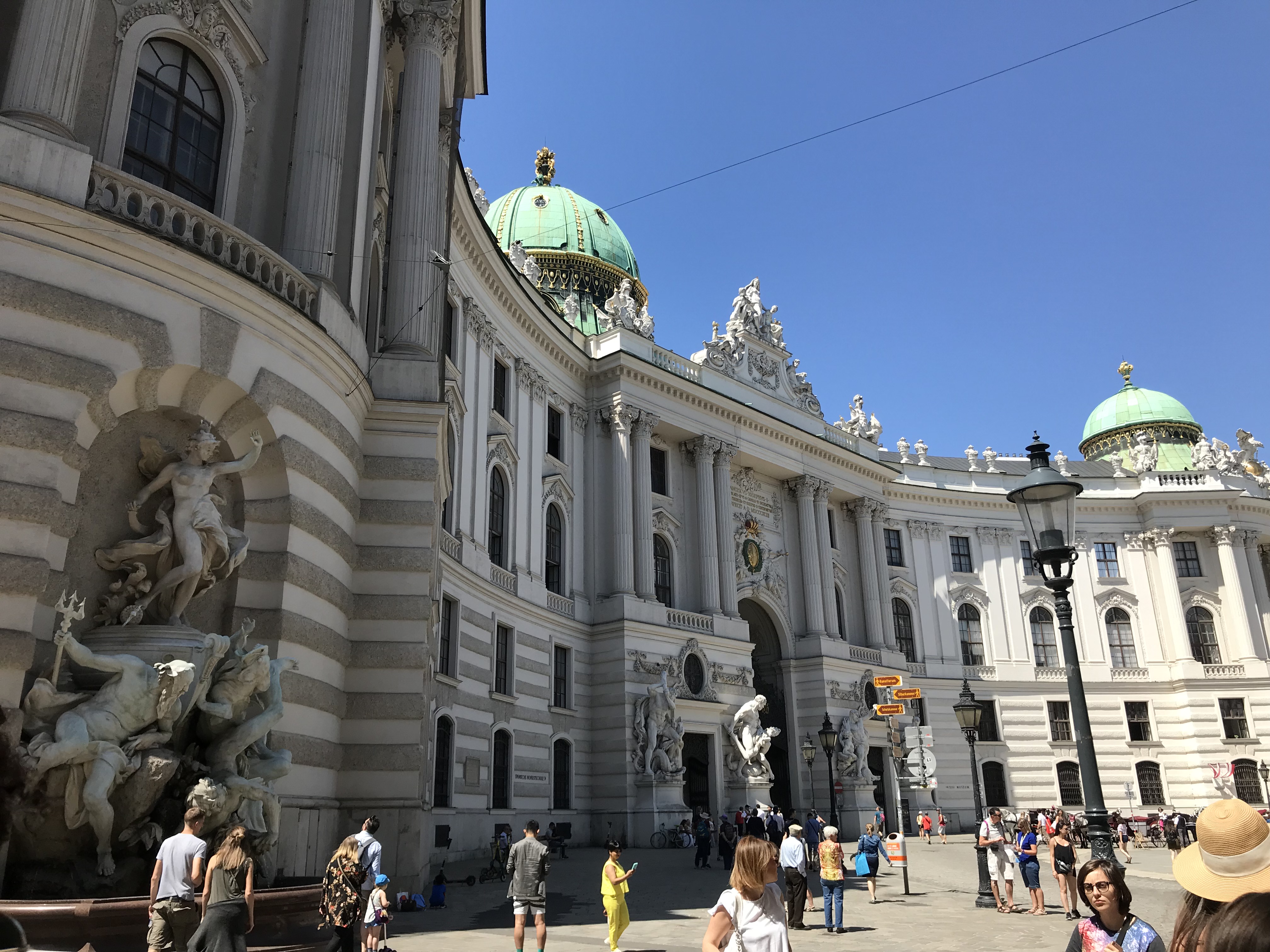
After studying one of the most revolutionary periods of Vienna’s history, I now know this is not the case; “Knowledge of cities is bound up with the deciphering of their dream-like expressive images,” (Frisby 18). The city has done an astonishing job of concealing all the madness that it has undergone through its transitions of history. One of the most tumultuous aspects of history throughout the 20th century across the world was the social and political changes. For Vienna, the entirety of the 20th century could be considered madness, since it was a period of chaotic or frenzied activity, as demonstrated in its political unrest.
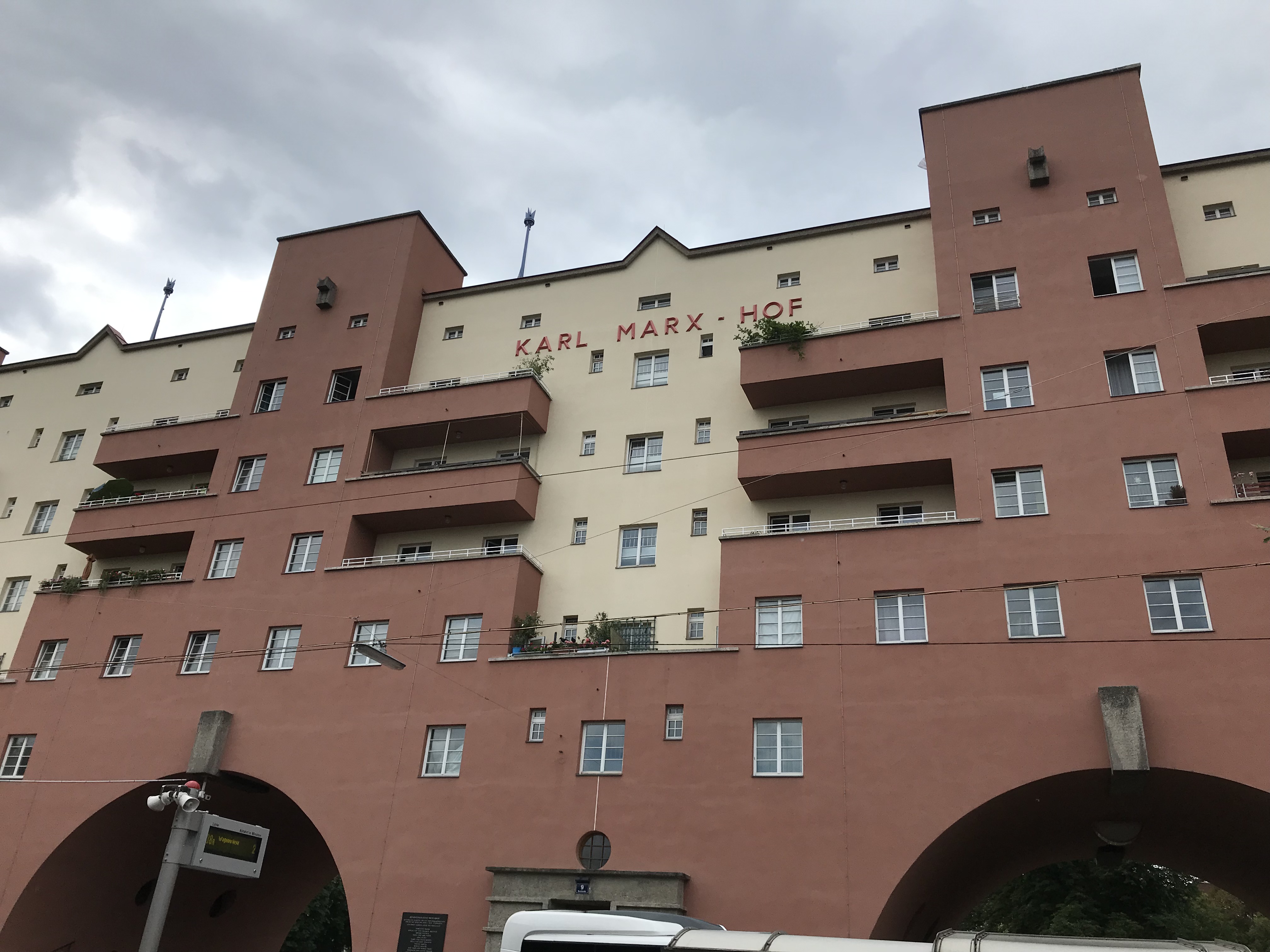
Beginning as a monarchy, the shift to a republic of capitalism in the early 1900’s stirred a lot of social unrest as well, leading to the development of the Red Vienna period. Red Vienna served as a period of dynamic social movements to transform its capitalism and socialism; “Red Vienna, in other words, was a project to change society by changing the city,” (Blau). This society has done an excellent job of concealing the raw madness of its political and social history by using the city’s now picturesque fasçade to divert the public’s attention away from the things that give the city some character and respect.
Another example of the methods of erasure of madness in Vienna comes from those throughout the 1900’s who held the mindset that modern society was in decline, and those who most commonly held this mindset were artists, architects, psychiatrists, and the leaders of Vienna who governed the city and allowed the influence of these other people to affect Vienna and its citizens. Otto Wagner in particular was an architect who shared this mindset; Based on the readings of the Steinhof Psychiatric Hospital and what I learned on our vtour of the complex on our last day in Vienna, the hospital’s design was meant to embody the concept of a utopian vision for society, aside from the fact that it was also an attempt to reform the standards of treatment for the mentally ill. This is defended in Leslie Topp’s essay Otto Wagner and the Steinhof Psychiatric Hospital: Architecture as Misunderstanding when she argues that “the various asthetizing maneuvers employed by Wagner amounted to designing Steinhof (at least on a visual level) as an ideal community,” and it is important to note that “there was never any question of building Steinhof within the existing fabric of Vienna; physical separation was still deemed essential by the planners,” (Topp 150).
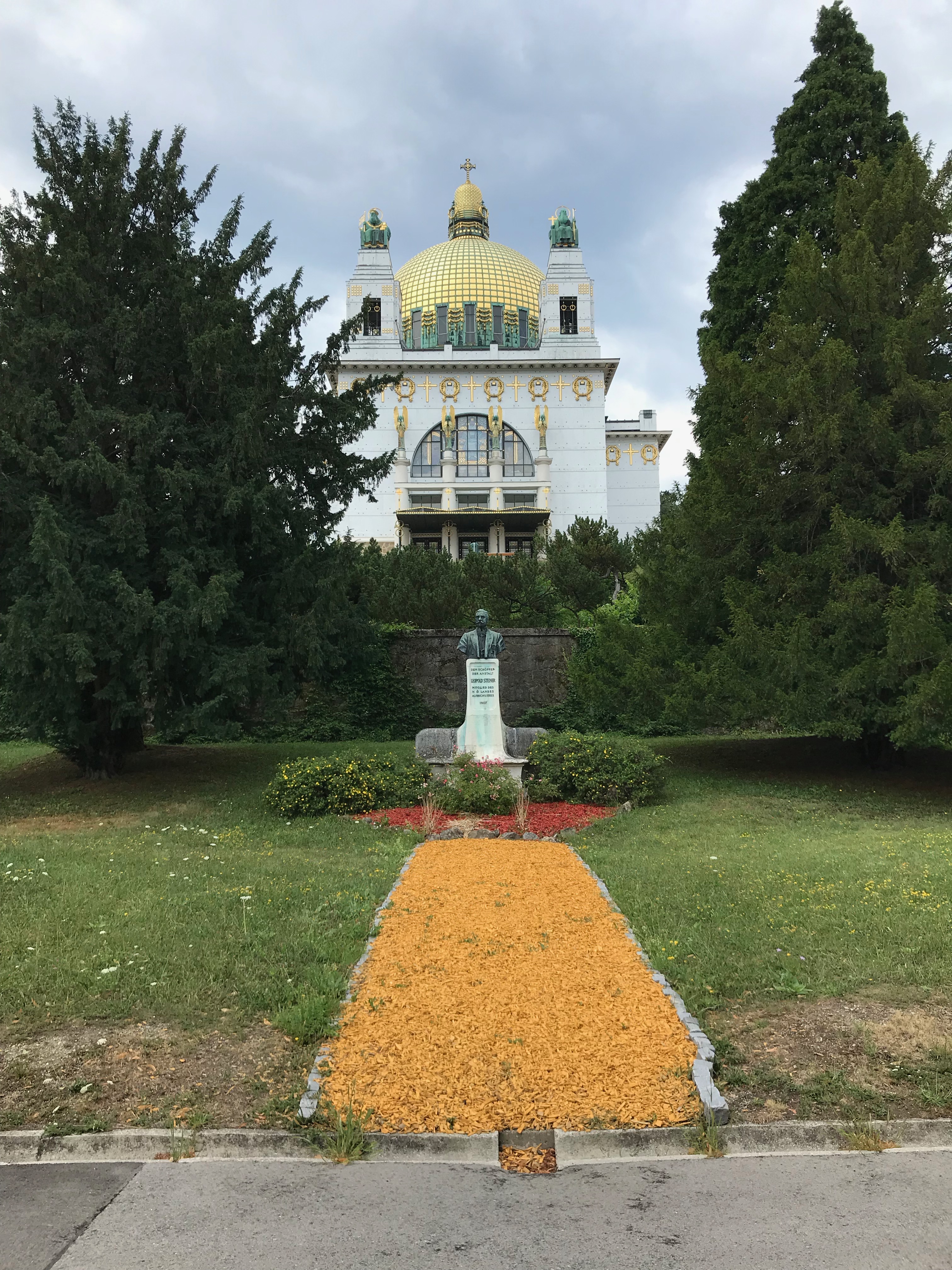
The location of the hospital continued to allow it to act as a segregated aspect of Vienna throughout the rest of the century and still into modern day. This location conveniently keeps the public and tourists away from the mental hospital, and if it weren’t for our mandatory visit as part of the program, I would never have even known that such a large complex existed there. It is because of this that I am able to discuss how the development of Steinhof can been seen as an active method of erasure of Vienna’s sense of madness.
Continuing my study abroad journey in London, I noticed similar patterns in regards to the city trying to conceal parts of its past that can be considered madness. Of the more literal sense, our exploration of the previous Bethlehem Hospitals left me feeling unsatisfied. All over the city I stumbled upon memorial after memorial; monuments commemorating the Great Fire of London, old church spires that stand erect without its steeples because of bombing from world war two, even a massive warship anchored in the middle of the thames river just to name a few. But traveling to the sites of these hospitals I hardly encountered a commemoration comparable to these.
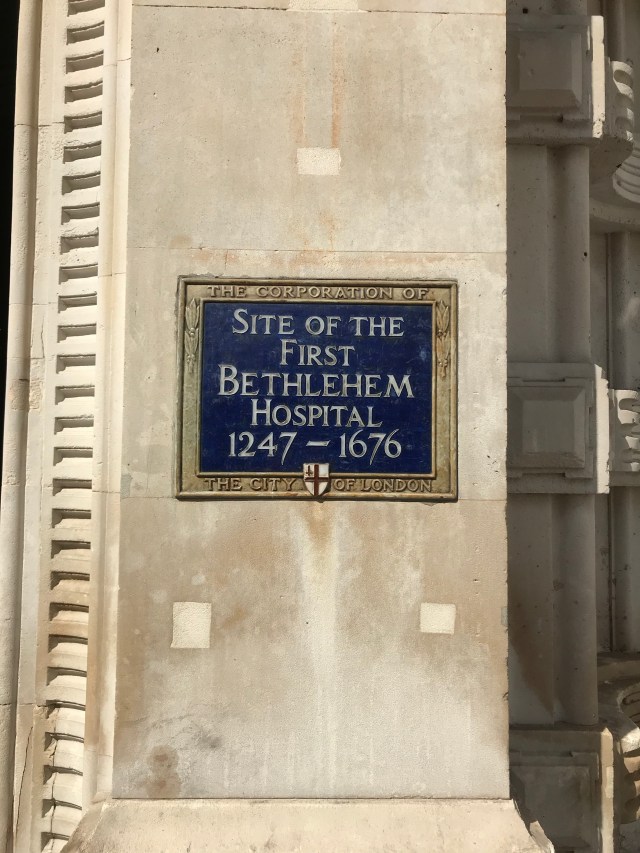
All that remained of the previous legacy of the buildings was a small plaque. I was astonished when I discovered this because even Vienna was able to recognize the horrors that occurred in the walls of its psychiatric hospital with a memorial for all the children tortured and murdered there during world war two. So many horrific things have happened within this city, yet London still could not even an explanation for the two Bedlam sites we visited.
In the Sigmund Freud museum we visited in London, our tour guide addressed how Freud was obsessed with archaeology and frequently connected aspects of archaeology to his practices. In particular, Freud had a massive collection of archaeological statues that closely resembled some parts of Egytian culture that symbolized death and burial. I connected this in a similar way to offer an explanation for the erasure of madness through the Bedlam sites; mental asylums typically hold a negative stigma in the public eye and this coupled with the possibility that some horrible things took place in those sites makes the city of London ashamed of this particular piece of its history. In fact, The Egytian statues sent a message to me that said “some things are better left buried”, ironic considering how Freud’s work involved engaging his patients in a piece of their history to help reverse the mental traumas of the patients.
This negative treatment of the mentally ill is depicted in the series of paintings The Rake’s Progress which we encountered on our visit to the John Soane’s museum. In one particular scene of the eight paintings, a man who was once wealthy is depicted as insane, chained to the wall of a mad house, and portrayed with an emaciated figure. However, our tour guide explained how in the same scene it is shown how the wealthy join to watch the insane as a type of entertainment, which was a typical thing in the 18th and 19th centuries. I was absolutely astonished when I heard this piece of information. How can normal people justify treating these mentally ill patients so horridly? What other kinds of tortures did these mentally ill patients have to endure? In one of our class readings titled London: The Biography, the historical tragedy of Bedlam is discussed but I was surprised to find out that by the late 17th century, London was the only city in the country that contained a madhouse and it was “in such a squalid and ruinous condition that it had become a civic scandal,” (Ackroyd 609). Given this tidbit of history, I am not surprised that London is ashamed of its history of Bedlam. The city was right to conceal Bedlam’s history, however I feel as though it is still an aspect of the city’s history that should not be completely forgotten because it shows how the character of the city has changed and developed over time, and that is something that should be praised, not erased.
Heading back to my hometown, a suburb of Chicago, after the conclusion of our study abroad journey I sought to encounter a similar aspect of Chicago history that the city has attempted to erase. I remembered how my grandpa used to talk about this place with such disdain and I decided to explore this part of Chicago’s legacy called “The Stockyards” formally titled The Union Stock Yard. The stockyards were a significant part of Chicago history, having a name that is comparable in notariety to Al Capone and Michael Jordan in its time. I soon learned that these stockyards shared a similar experience of erasure to the aspects we studied in Vienna and London.
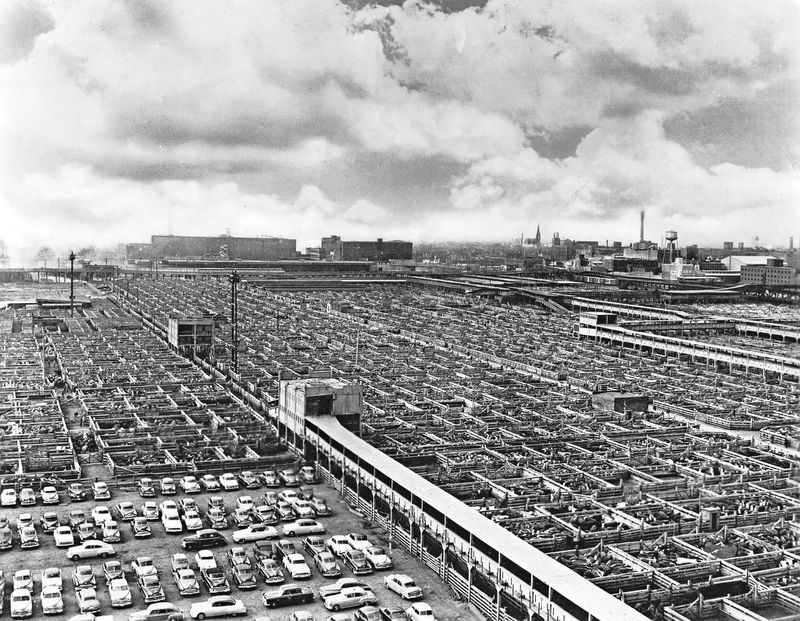
The history associated with this place was astonishingly gruesome. The yards opened on Christmas Day in 1865, operating for over a hundred years, closing its doors for good in 1971. These stockyards were considered to be one of the largest locations of the meatpacking industry in the world, and it “helped position Chicago as the center of the American meat industry,” (Then). Back in the 19th century, the meatpacking industry was easy to be integrated into as a new business because there was a lot of availability to make profits from overseas trading and the Chicago stockyard definitely capitalized on that. Profits were easily made for leaders in this industry because maintenance of these plants only relied on two things– cheap and available labor, and an absence of any sort of regulations in the industry. Much of the workforce was made up of fresh immigrants who settled in the Back of the Yards neighborhood, many parents enlisting their children to help stimulate more of a household income. Many of these kids were as young as eight years old (Sudo).
As the scale and size of the facilities of the meatpacking industry rapidly increased, so did the dangers associated with working there. Close to the turn of the 19th century, european markets refused to purchase imported American meat because our stockyards were known to be “filthy, and a breeding ground for diseased meat. Many of the meats were rancid, rat infested, and bacteria filled,” due to the fact that there were no guidelines or regulations for the workers regarding the quality control of the meats they were handling (Cornwell). One of the biggest concerns, however, was not the fear of rancid meat, it was whether or not the animal was already deceased before making its way to the processing plant, but obviously this was nott too much of a concern considering the industry did not start implementing regulations until halfway through the 20th century. Although this was horrifying enough, the stockyards also became a tourism spectacle where visitors were allowed “to view the killing floors and “disassembly lines,” (Then). Upon gaining knowledge of this information, I was astonished and ashamed to admit that this was apart of my city’s legacy, and I then understood why the city would attempt erasure of this information.
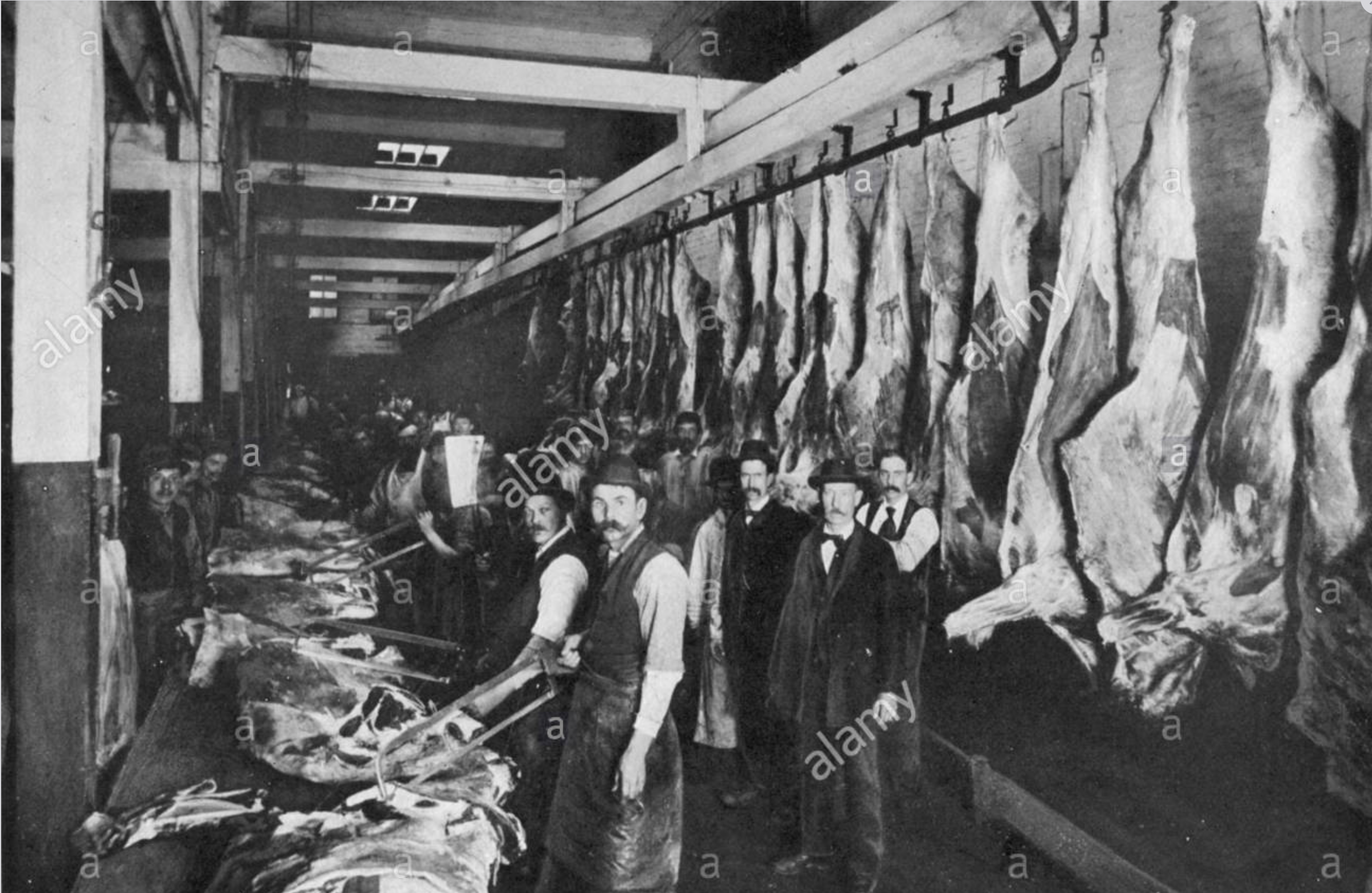
Some of the working conditions of the meatpacking industry.
Making my way across the city of Chicago to find this place was a hectic journey. These stockyards were located near a fork of the south branch of the Chicago River, while I live in a northwest suburb about forty-five minutes outside the city. In order for me to reach the stockyards I had to travel clear across the city which required me sitting in traffic for about 2 1/2 hours but theoretically it should have been a short hour long journey. Nevertheless it was an interesting adventure as I always love driving through the city and seeing new places. From my previous research I learned that only lime stone gate of the stockyard remains, however what I experienced when I got there fell slightly short of my expectations. Although I was able to see the old limestone gate of the stockyards, I assumed there would have been a little bit of the original property still empty with the ghost of a few of the old stockyards building. This was not the case; literally all that was left to indicate any presence of the stockyards was that gate and a small courtyard with a memorial in it. I shouldn’t have been surprised by this though because even though the stockyards location was on the south side very near to downtown, the area surrounding it felt like a typical chicago suburb. Now, the majority of suburbs surrounding the city usually have an industrial sector which is home to delivery warehouses, many of which I encountered in the immediate area surrounding the gate. I was not very eager to wander far on foot though as the south side of Chicago is notorious for crime and is not a very well-off area, socially and economically. In other words, it was a sketchy part of town.
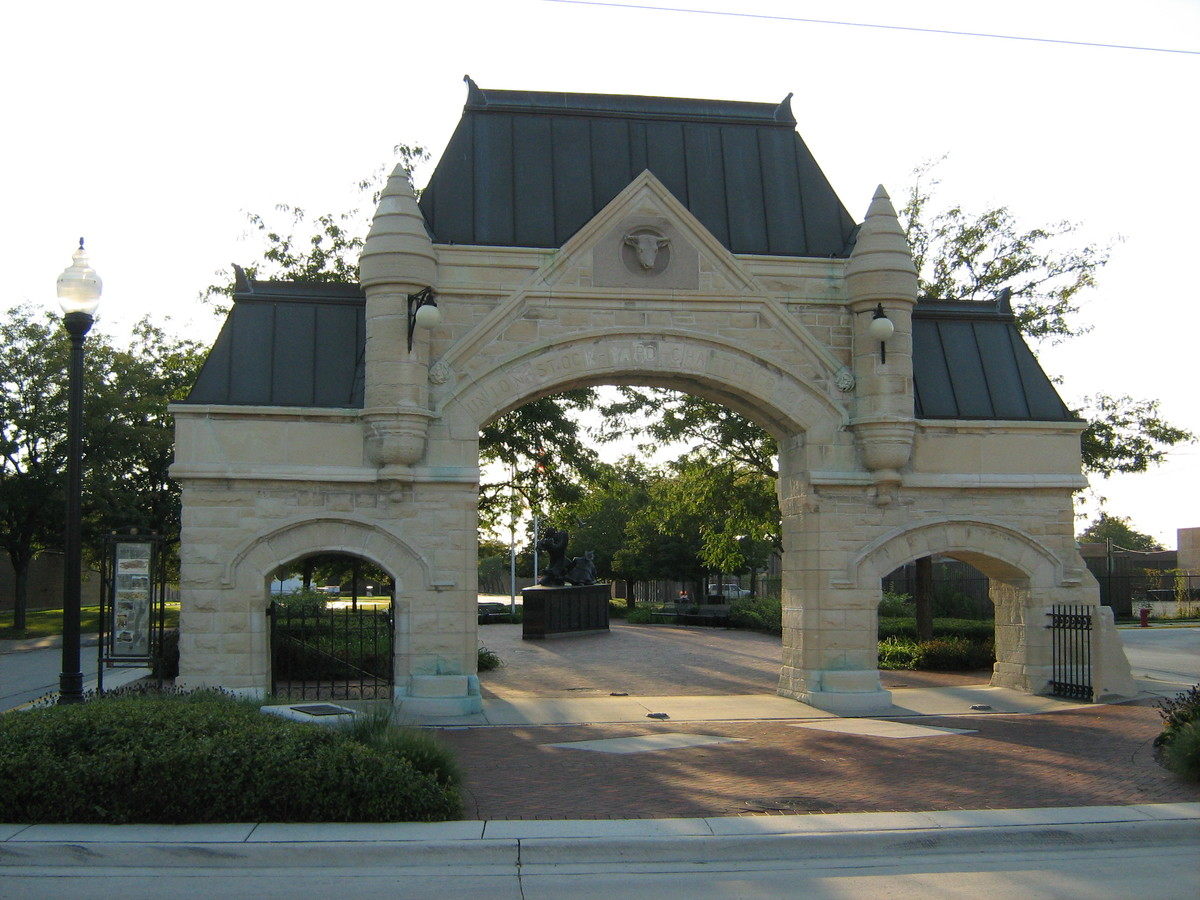
The gate sat directly in front of a railroad line, approximately two hundred feet away from it (surprisingly). I discovered later that the stockyards were developed in tandem with the railroads, which is what helped helped drive the rapid industrialization of the industry. Behind the gate there was a small courtyard/park of which I walked through in at most five minutes. The courtyard was essentially a few hundred square yards with some nice greenery and a few benches, very out of place for the area of town I was in. Sitting in this courtyard for even five minutes was eerie and quickly made me uncomfortable. The gate and courtyard appeared to house a small peaceful sanctuary, but considering it was situated in the heart of an industrial district, I encountered numerous semi-trucks and other traffic on the streets surrounding the monument. Directly behind the gate there was a memorial for all the firefighters who died while putting out fires at the Stockyards. I thought it was ironic how there was a memorial for these firefighters when there were several hundred, even thousands of people who died while working in the horrible conditions of the yards. This continues on with the theme of erasure that I encountered while abroad, although instead of Chicago concealing a history of madness, it was simply concealing a history of extreme abuse of factory workers.
Despite the horrid history of the stockyards and the erasure of the existence of the dominating meatpacking industry in Chicago, there are still people around today who would argue how working in the stockyards helped save their life. Although these people may have seen their job in the stockyards as a blessing, it was simply the industry taking advantage of all the cheap labor being freshly imported from overseas. In addition, Chicago was an immense trading hub constantly growing with immigrants because of opportunities to work in the trade market in some way or another. Because of the influx of immigrants heading to the city for opportunity, Chicago started to encounter issues with overpopulation of poor families in the heart of downtown. The convenient formation of the stockyards back in the 1870’s helped to segregate this issue by enticing the poor immigrants seeking work in the city to an area away from the heart of downtown. The Stockyard community that formed as a result was the residential area next to the stockyards, which was convenient because “It was close to the Chicago river, and only minutes from work, and the great majority of the workers lived in this dismal, loud, and overcrowded area,” but the most important part ways that living in the Back of the Yards was more affordable than living in downtown Chicago (Cornwell). However, living in the yards was just as glamorous as working in the yards. Meat Packing industry workers were constantly “surrounded by the city’s dumps. The garbage stench, and the smell from the vile waste of the meatpacking plants, that floated down the Chicago river, had to be overbearing,” and as a result of this and the vile conditions of the facttory, diseases quickly formed and spread, killing countless amounts of people (Cornwell).
This can be seen as yet another attempt of erasure by the city, except in this instance the city thought it was improving its image by concealing the lowest social classes by forcing them to the suburbs, a notion that is still present today. Also, although the city may have believed it had solved a problem by relocating lower classes to this south side neighborhood, it simply created a new legacy of poverty and lower class status, which is how the south side came to be as notorious as it is today.
Citations
Ackroyd, London: The Biography (607-612)
Blau, Eve. “Re-Visiting Red Vienna as an Urban Project.” Austrian Embassy Washington, Austrian Press & Information Service in the United States.
Cornwell, Allen. “Chicago 1900: Pickled Hands and Much Worse.” Our Great American Heritage, Sept. 2015.
Sudo, Chuck. “Dominic Pacyga traces Chicago stockyards history in ‘Slaughterhouse’.” The Chicago Tribune, Chicago Tribune, Nov. 2015.
Topp, Leslie, “Otto Wagner and the Steinhof Psychiatric Hospital: Architecture as Misunderstanding,” Art Bulletin 87, no. 1 (March 2005), 130-156.
“Then & Now: Union Stockyards – Chicago.” the herald-news.com, The Herald News, Jan. 2016.
 Alyssa's Architectural Adventures