In this chapter of our study abroad journey, we completed our first City as Text assignment in London, a place with radically different architecture than what we experienced in Vienna. One of the most notable differences in architecture between the two cities (besides the lack of grandiose and intricately designed buildings in London) was the fact that buildings in London were designed purposely to cater to the public and to create a sense of community. This was evident to me in my trip to the Royal Festival Hall on the bank of the Thames. As my group and I approached the building, we found ourselves immersed in a “festival” outside the actual building. This festival was on the side overlooking the river, and it had attracted a rather large crowd of people. On one side of this festival area, there was a DJ playing music and interacting with the large gathering of children that were interested in dancing or just simply having a good time. I noticed this outdoor area was specifically designed for families due to the many attractions that were suited for children. However, there were also food stands and bars where parents or adults without children were hanging out.
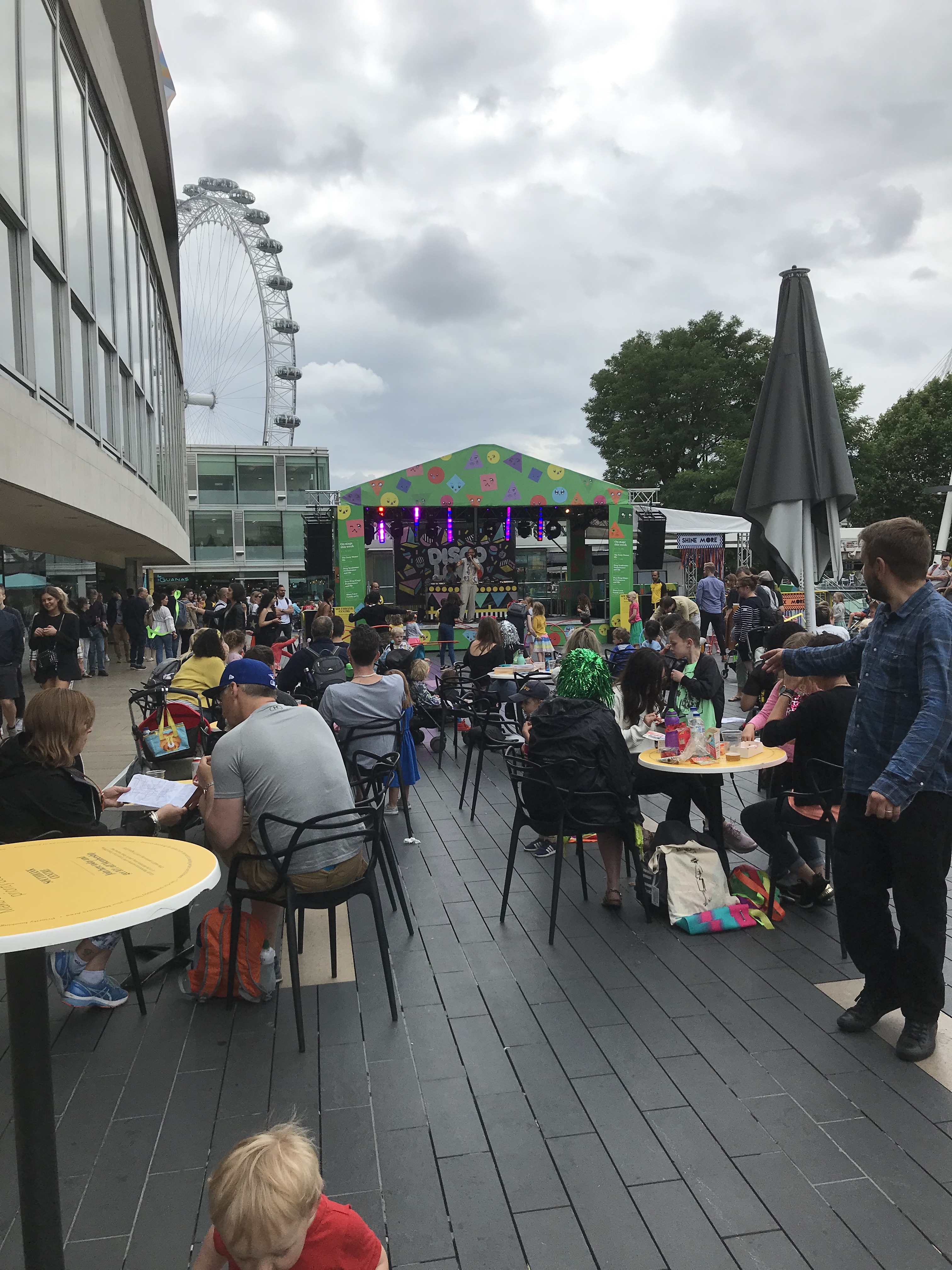
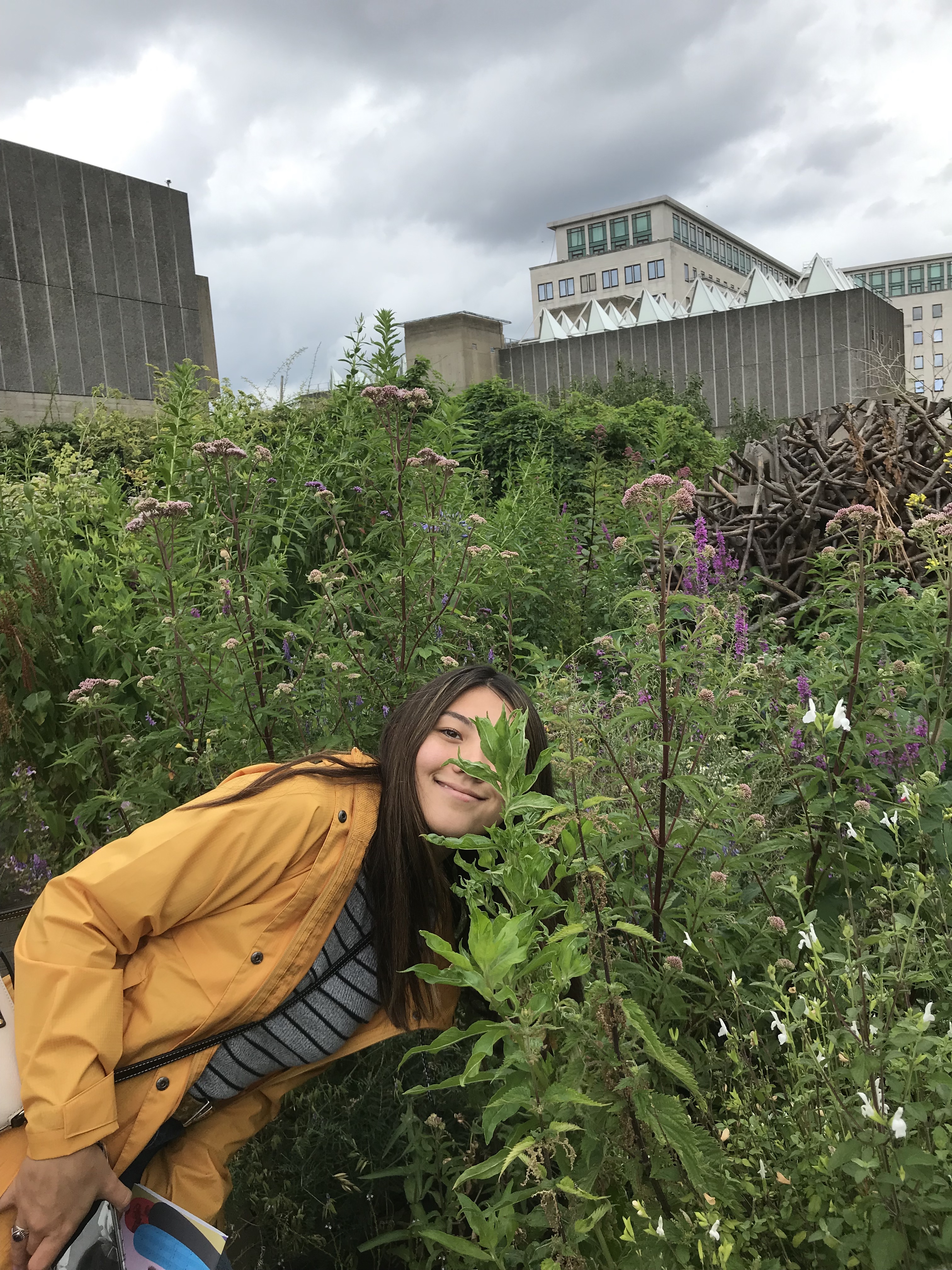
This outside festival of sorts cover the expanse of the entire building on the outside, and the further you walked down the more there was to discover. Skateparks, water fountain areas for kids to play in, restaurants and hidden garden cafes were amongst a few of the things my group and I stumbled upon while exploring outside the building. I thought it was interesting to note how the free-flowing dynamic of the festival on the bank of the river mirrored the open concept design of the Royal Hall itself. In addition, the festivities going on seemed to cater to every type of audience; young children and parents were easily amused here, but it was things like the skate park and the secret garden that really allowed people of all ages to be satisfied spending time there.
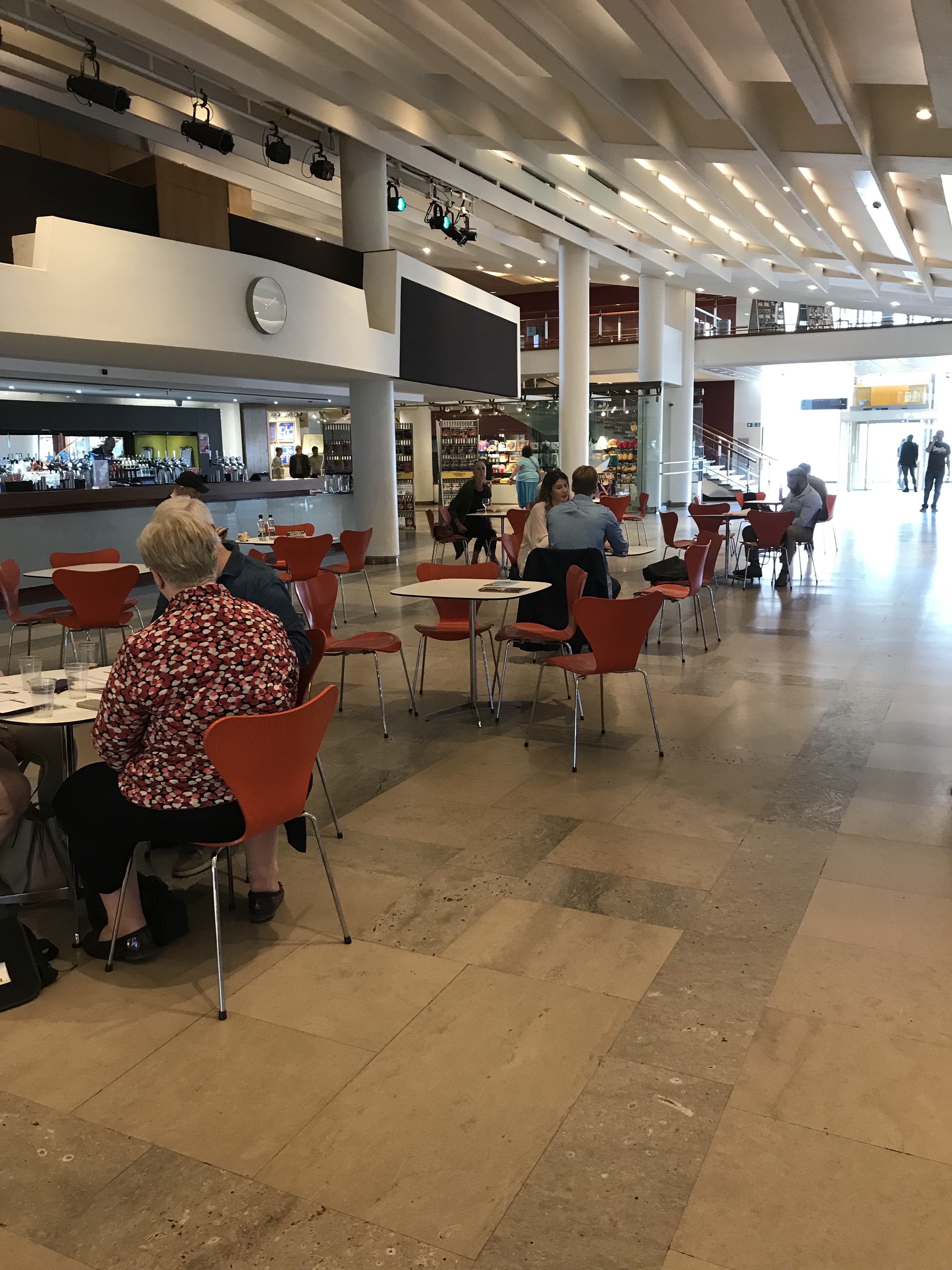
Walking inside the building offered many more opportunities for respite. The vast foyer was filled with more cafés, book and music stores and plenty of seating for people to enjoy their time spent there. There were probably about 5-7 floors of this building, but the lack of walls and vaulted ceilings allowed for almost every floor to be connected to the main foyer. To me, this indicated a sense of inclusiveness, a purposeful design that seemed to be meant to allow all aspects of this building to connect. This feeling of inclusiveness helps to inspire a sense of community because although this building has now been converted into a multi-purpose convention hall, it allows people to feel comfortable doing whatever they want there “without becoming the subject of some controlling interest…-there is no requirement to become a consumer, no obligation too follow a predetermined route through the building to some ultimate goal,” and given the fact that the inside housed a quiet ambience as well, there was certainly an inviting sense of comfort (Forty 230).
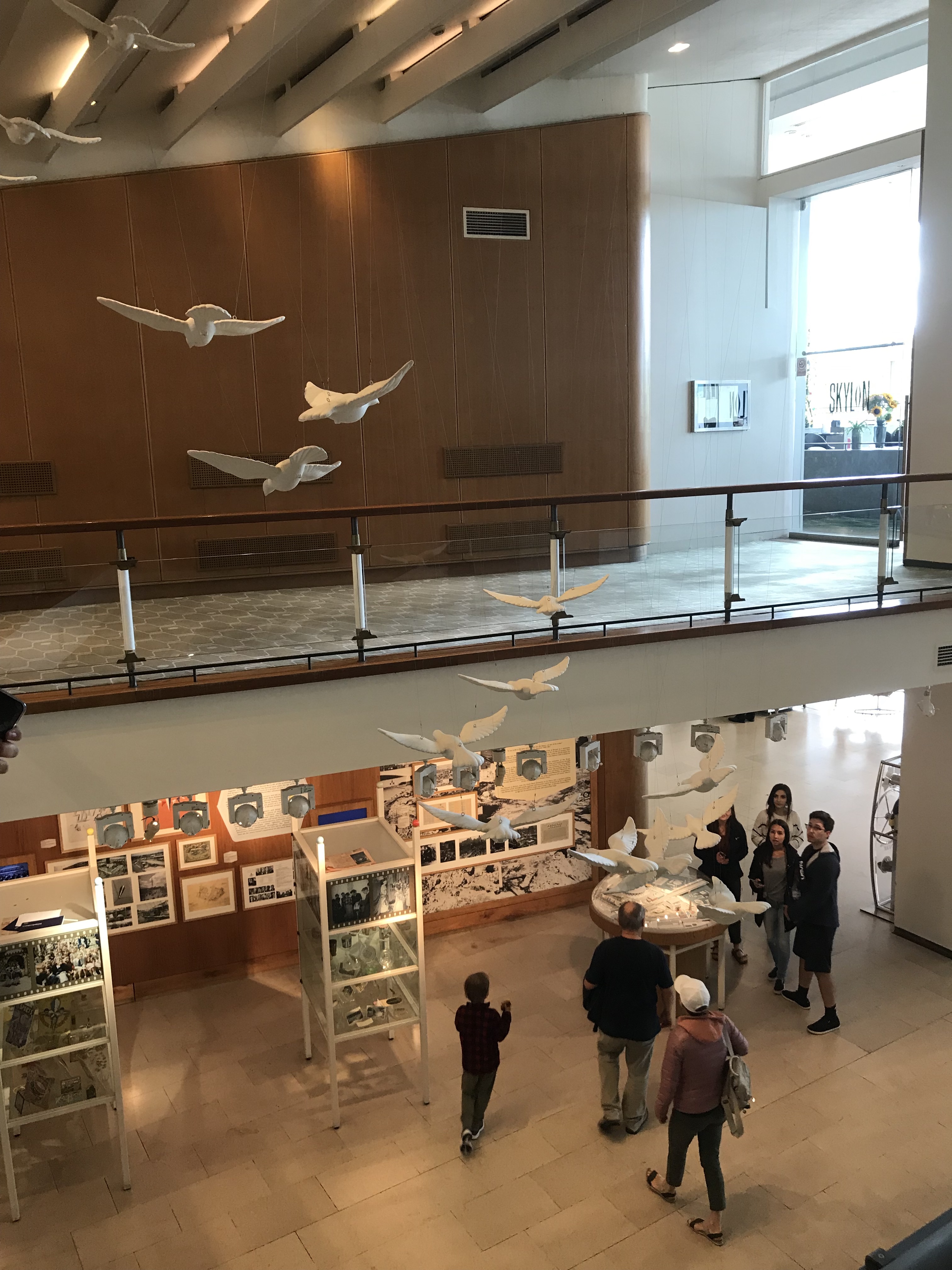
The open balconies allowed us to spot another group of students checking out a historical art exhibit.
Although this building thrives on its “open to interpretation” function, it once used to be a concert hall. Knowing this information, I think this building would have been controversial at the time of its construction. In a concert hall, there are typically different sections of seating which usually is an indirect indication of the separation of classes between citizens. The open concept feel of the hall brings together people of different classes because everyone is having a similar experience, which again motivates a sense of community. However, Adrian Forty describes the sense of community that comes from the architecture of the building as democratic (232). Although I agree with this interpretation, I find this ironic considering Britain is a monarchy and the building was named The Royal Festival Hall. Considering this, you could argue that building a concert hall for the purpose of igniting a democratic feeling is a way for the citizens of London to express their desire for a political democracy as well. Trends in architecture like this continued as we also experienced this at the Barbican center. The Barbican center also did a good job of creating its own sense of community within its development, however my group experienced many difficulties when finding the complex and it was located in a less popular part of town which made this community feel more exclusive, as opposed to the Royal Festival Hall where the atmosphere was so inviting.
- Adrian Forty, ‘The Royal Festival Hall – a “Democratic Space?”’, in Borden, Kerr, Rendell and Pivaro (eds), The Unknown City: Contesting Architecture and Social Space (The MIT Press, 2001), pp. 200-12
 Alyssa's Architectural Adventures